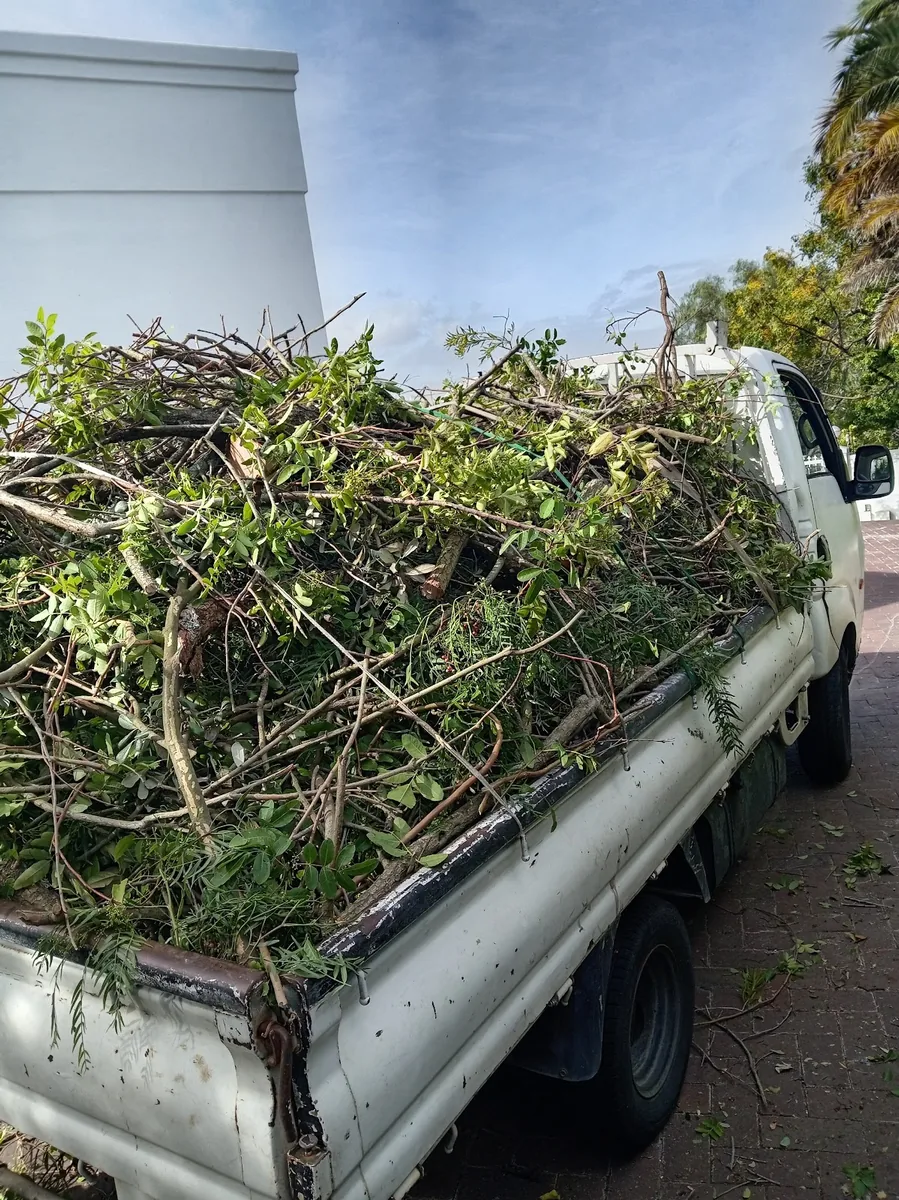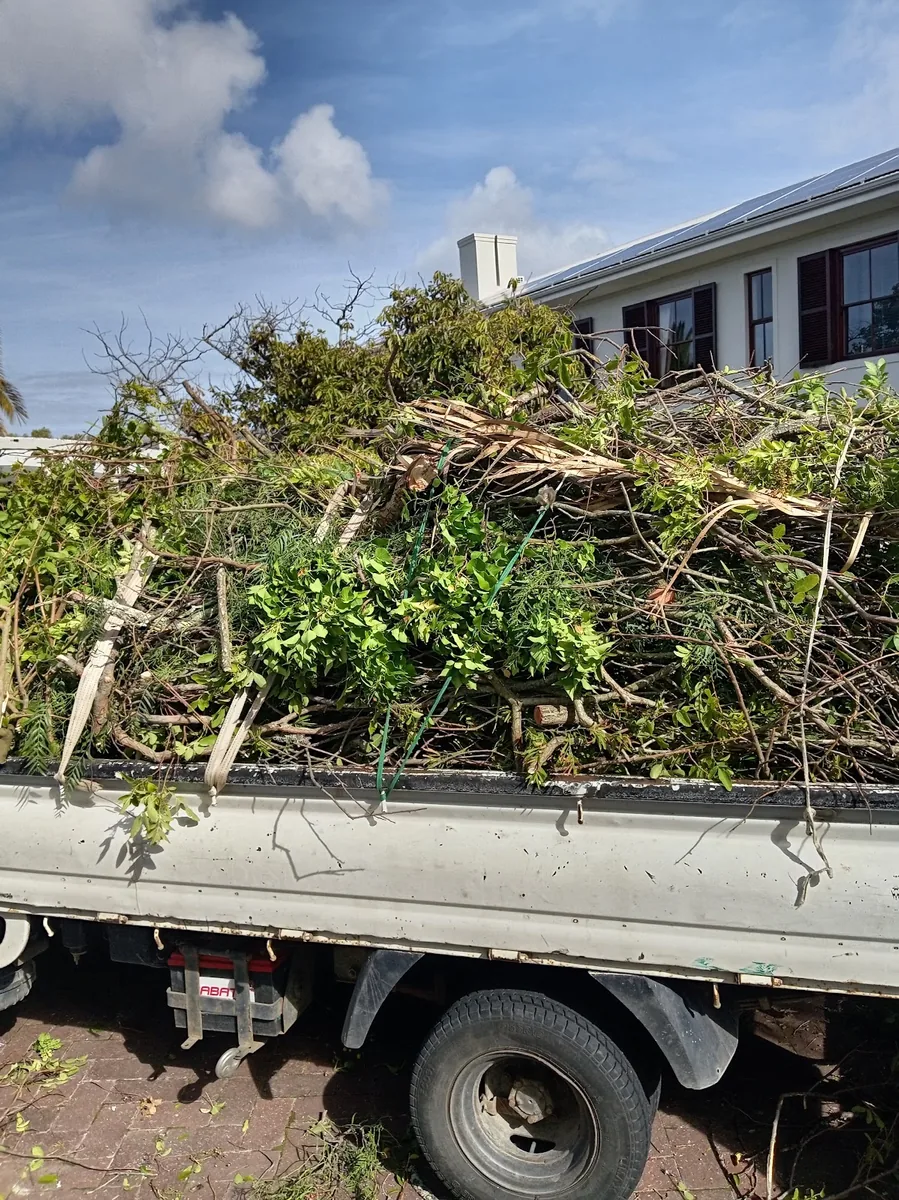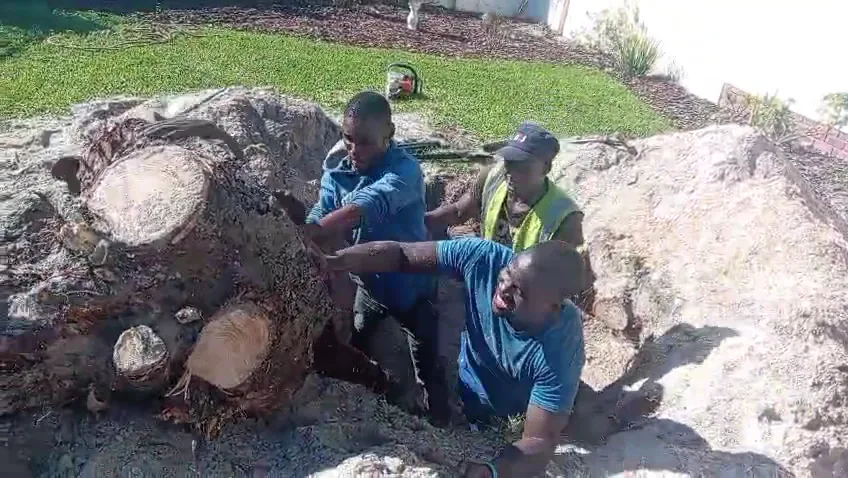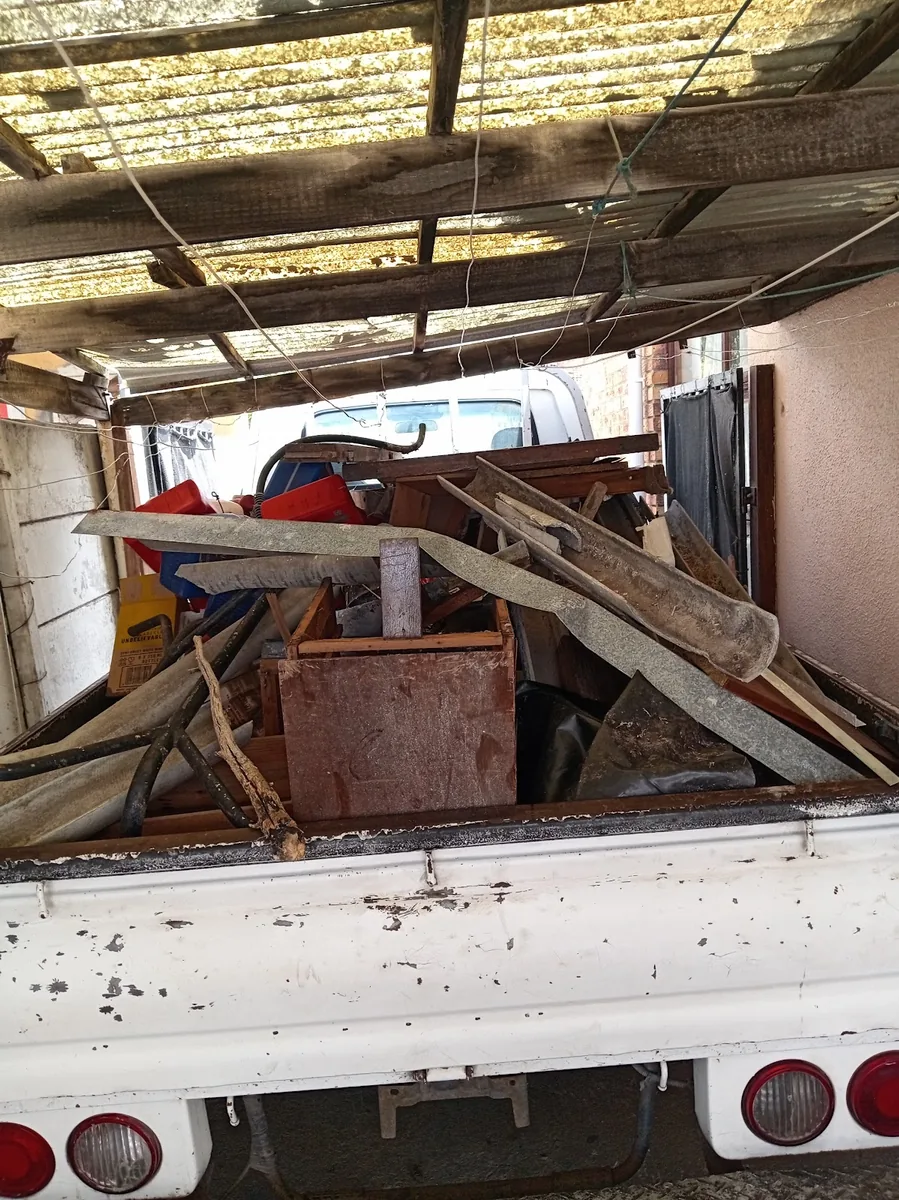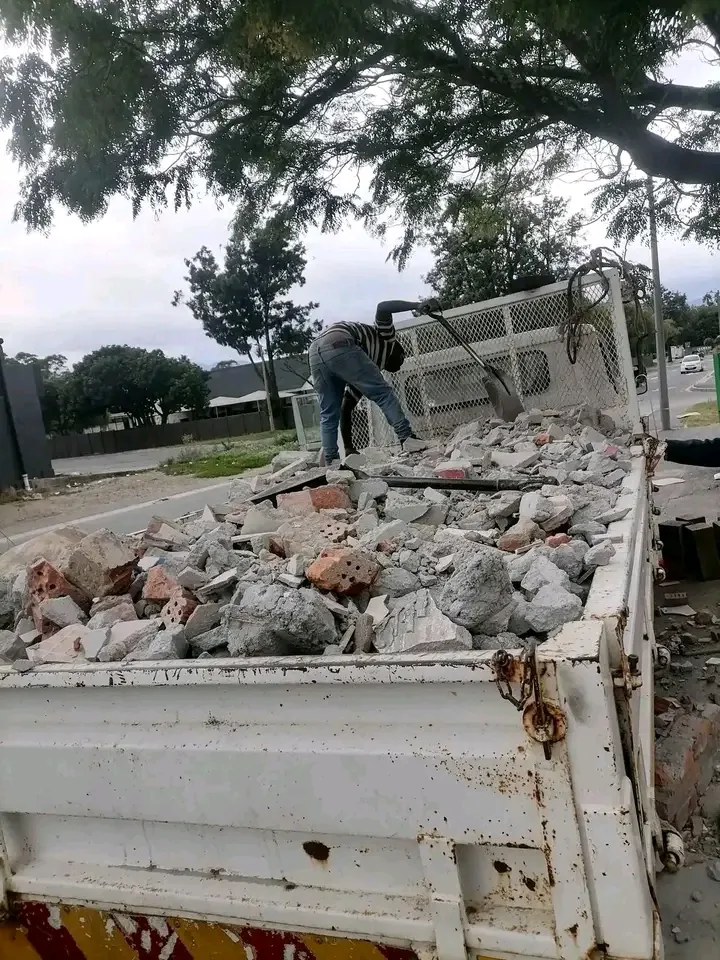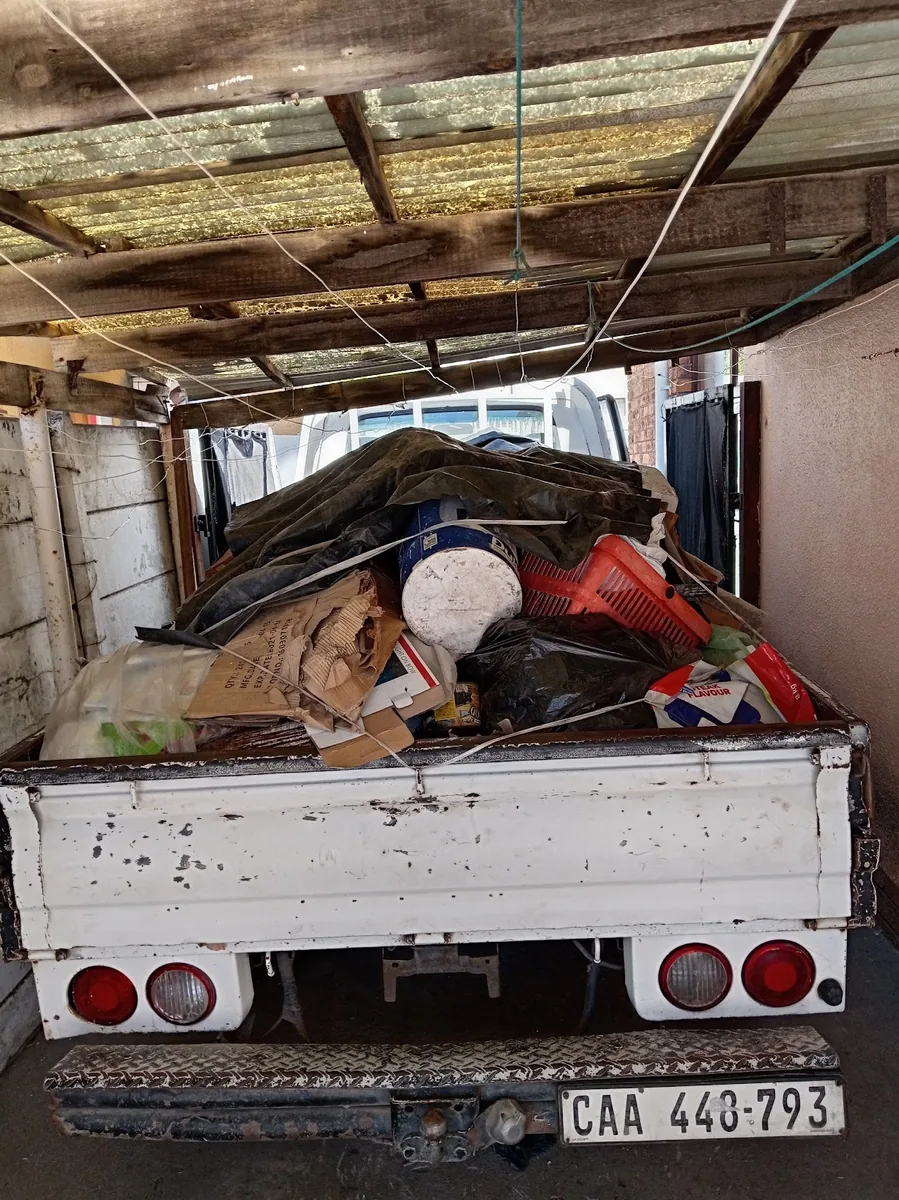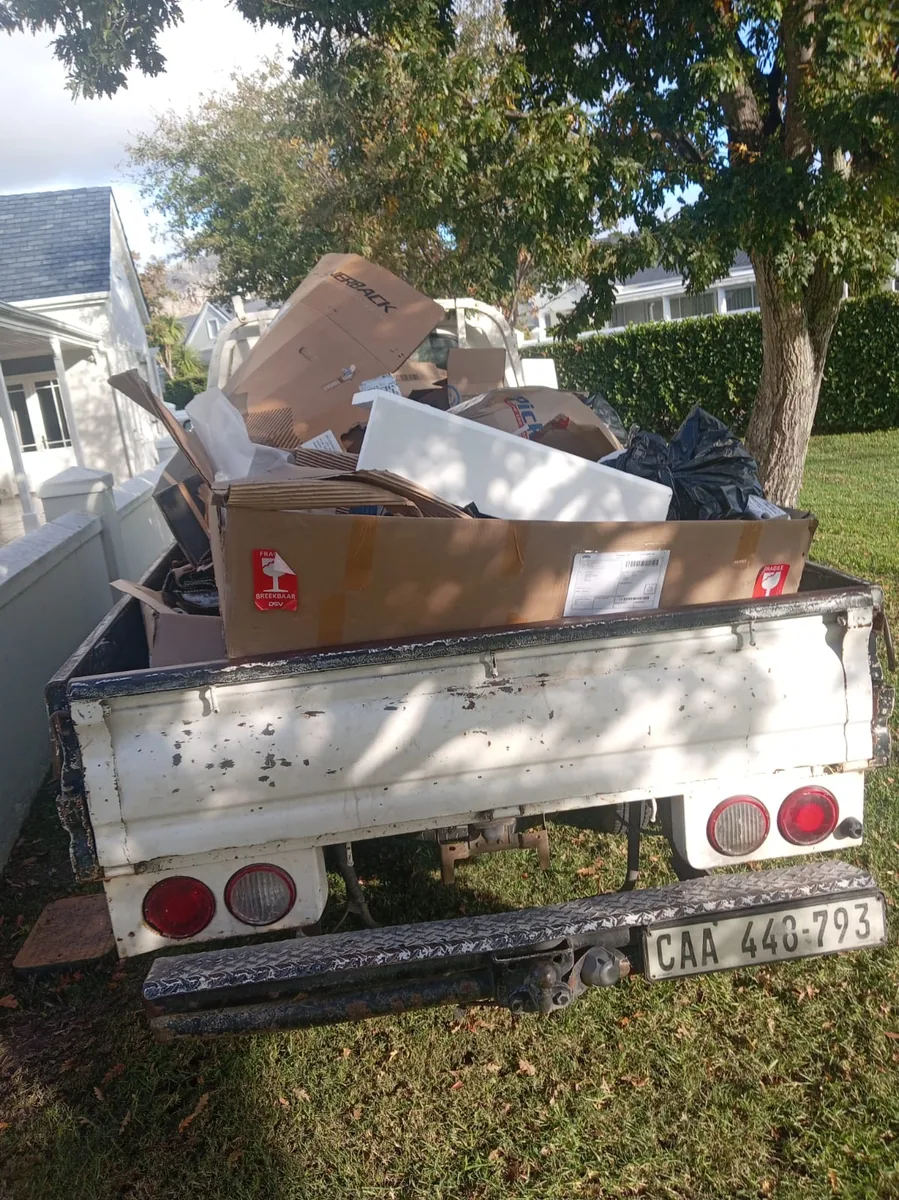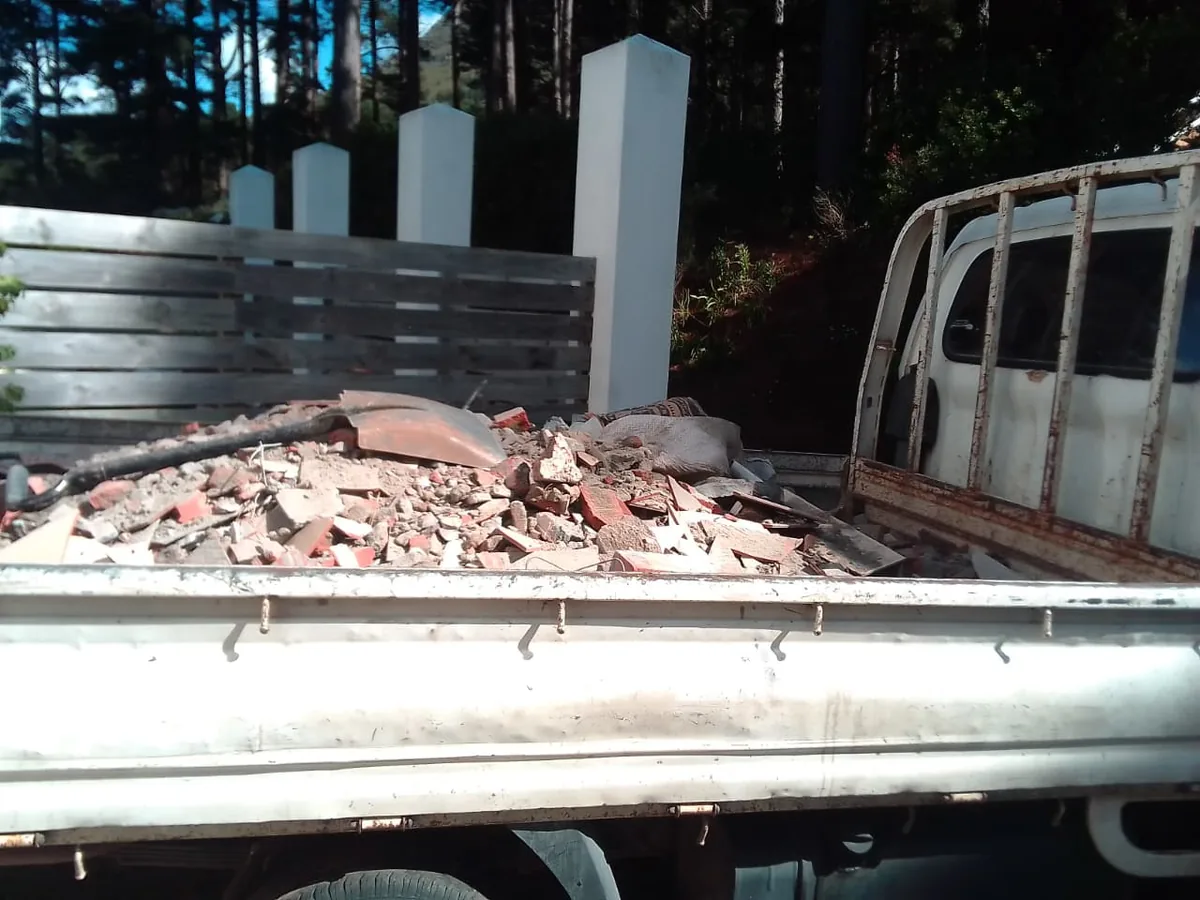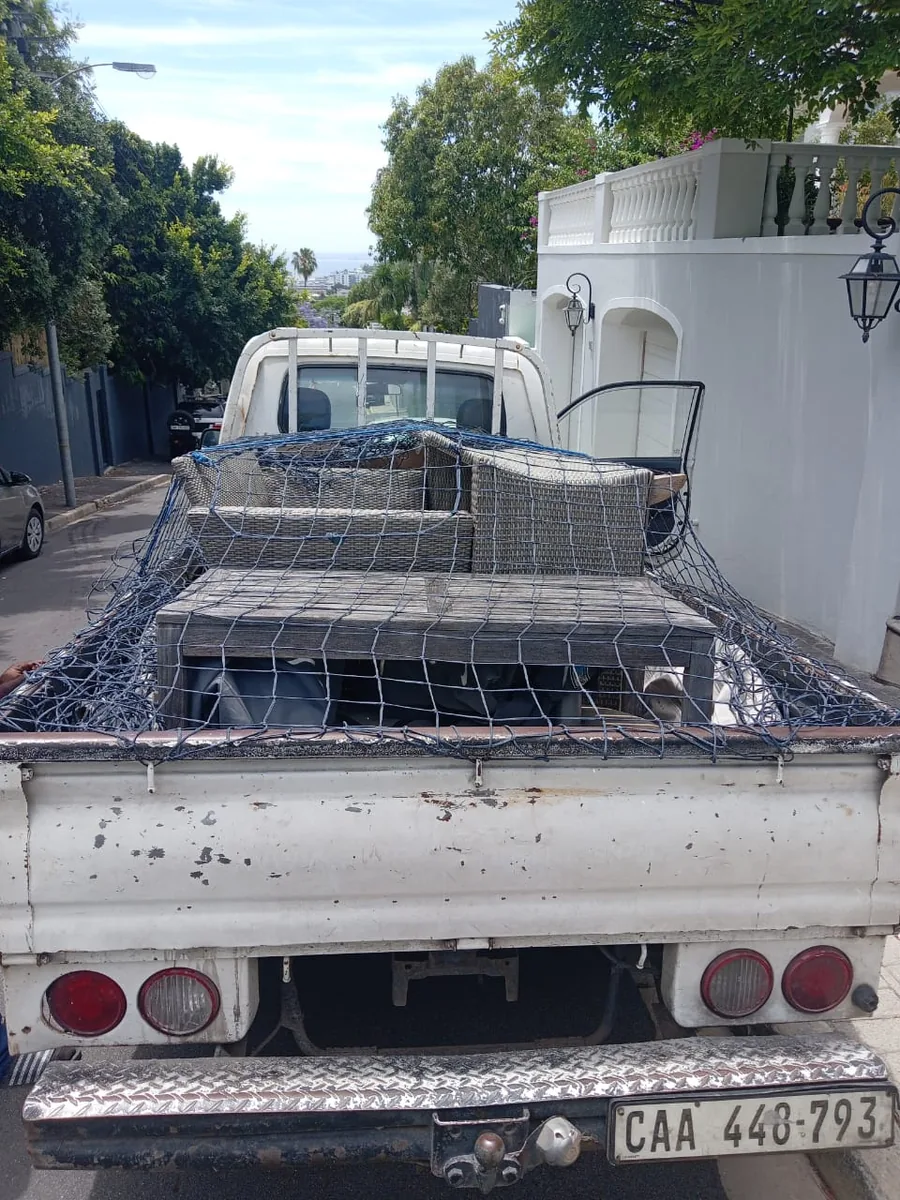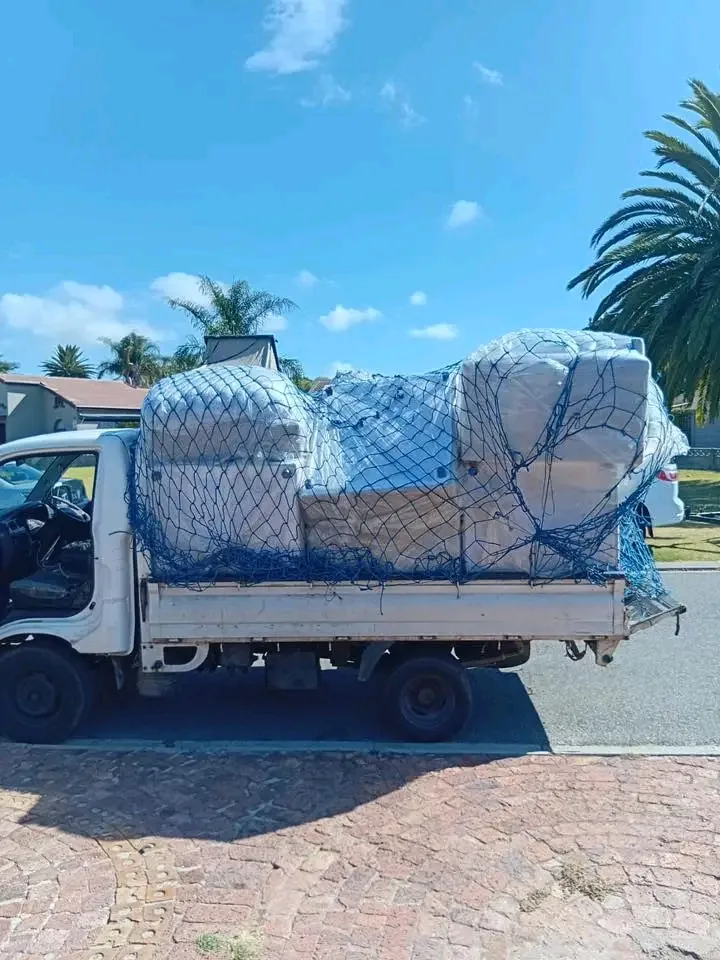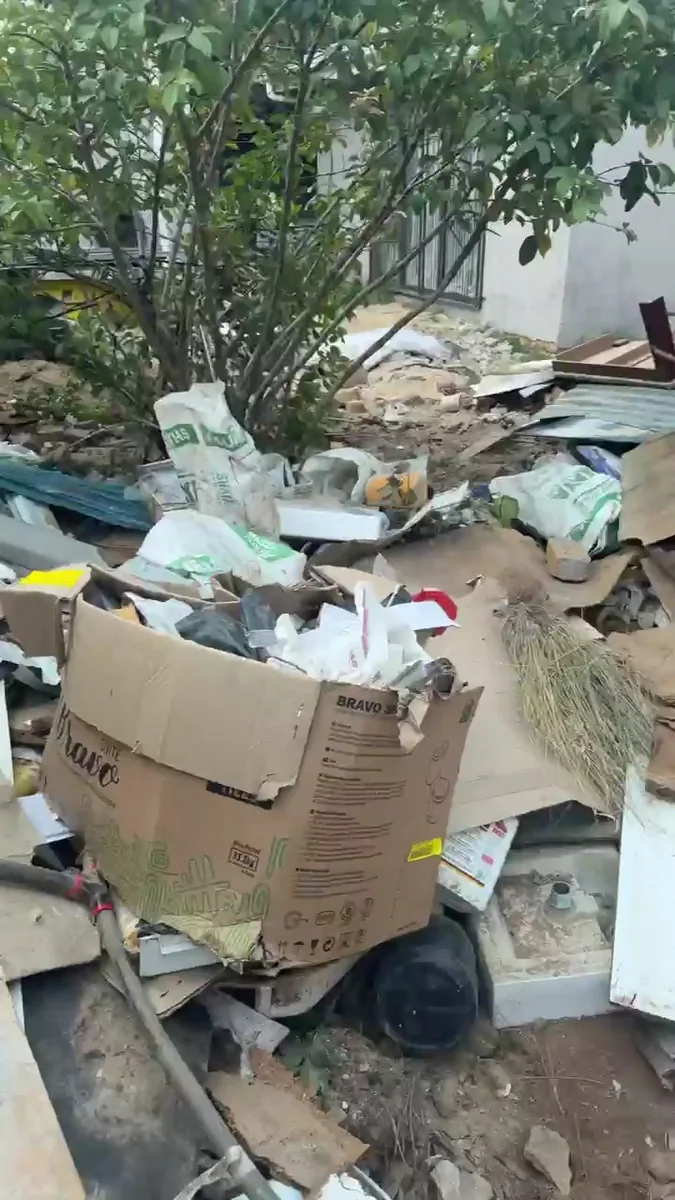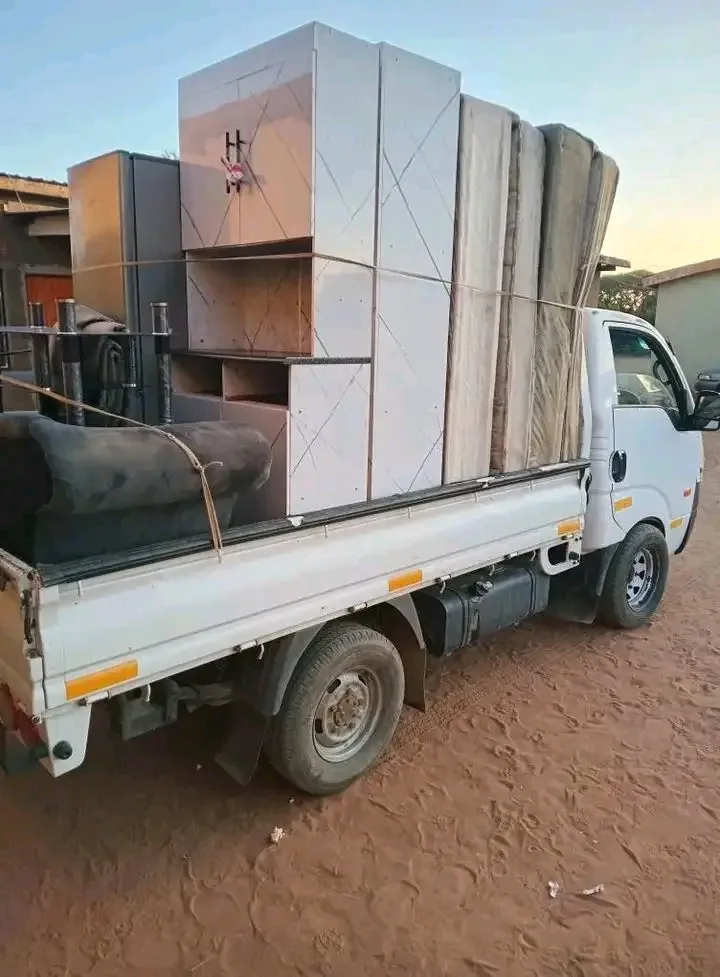
Almost every rubble removal quote in Vanderbijlpark starts with the same question: how much is there? A homeowner looks at the heap of broken paving by the gate and has no idea whether that's a bakkie load or a truck load — and that's the single number that decides the price. The good news is you can work it out yourself in about five minutes with a tape measure and a bit of primary-school maths. Here's how to measure your rubble in cubic metres, what a real bakkie and truck actually hold here in the Vaal, and why a pile that looks small can still need two trips.
Key takeaways
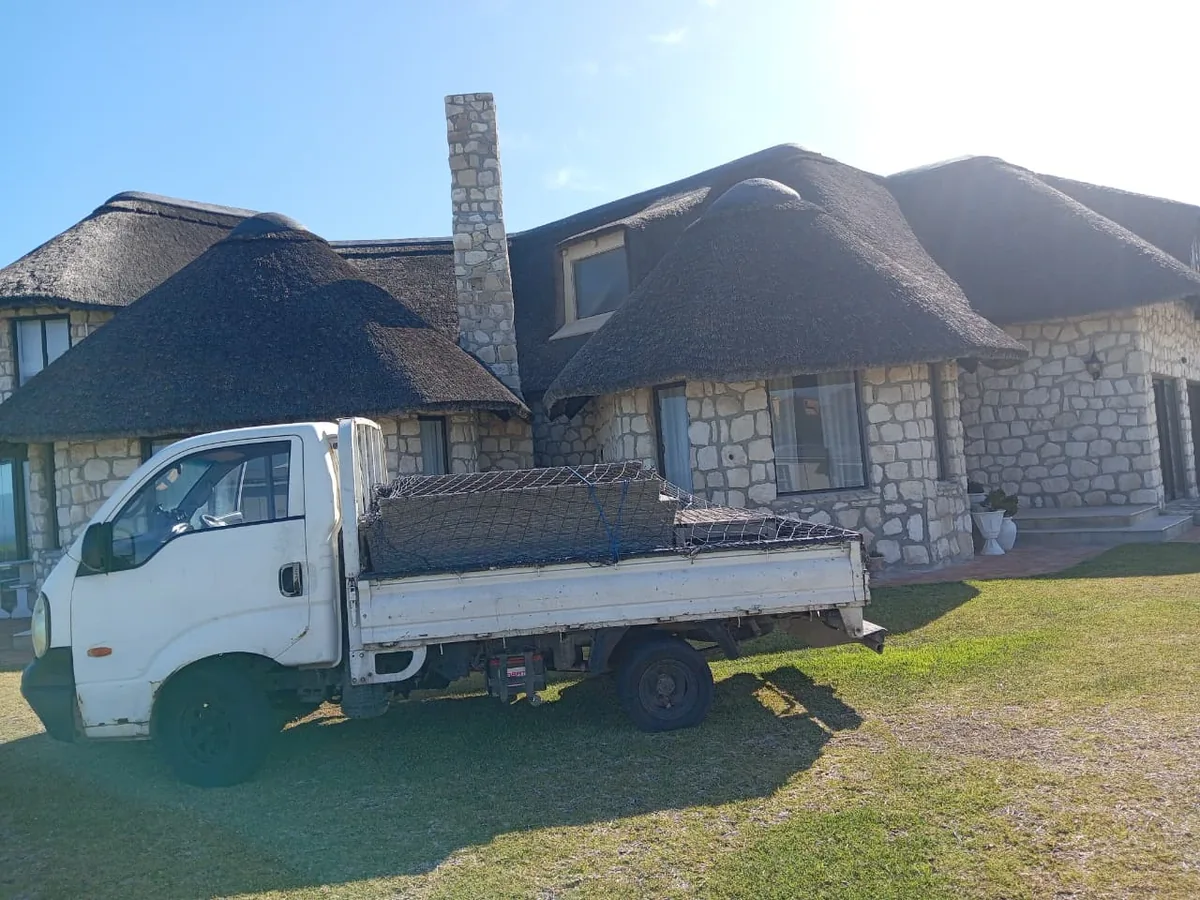
- A 1-ton bakkie safely carries about 1m³ of rubble; a 5-cube tipper truck carries about 5m³.
- Measure your pile as length × width × height in metres to get cubic metres — that's the number we quote on.
- Rubble is heavy: a bakkie usually hits its weight limit long before the load bin looks full.
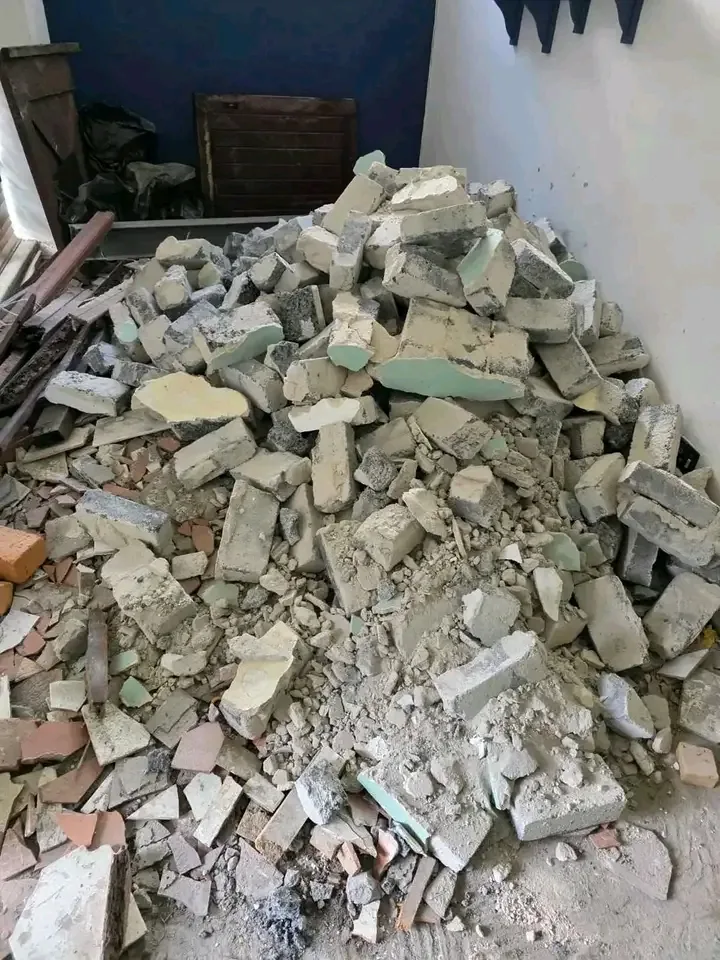
- Concrete and brick weigh roughly 1.5–2 tonnes per cubic metre — half a level bakkie of solid rubble is already a full load.
How do I measure my rubble pile in cubic metres?
Cubic metres (m³) is the unit every rubble crew in the Vaal works in, including us. It's just volume: how much space the pile takes up. For a roughly box-shaped heap you don't need anything clever — measure the three dimensions in metres and multiply them together.
Box-shaped pile
Volume = length × width × height. A pile 2m long, 1.5m wide and 1m high is 2 × 1.5 × 1 = 3m³. That's a medium load.
Cone-shaped heap
A loose cone holds less than it looks. Roughly: ⅓ × 3.14 × radius² × height. A heap 2m across (1m radius) and 1m high is about 1m³, not 3m³.
Don't overthink the maths. Round to the nearest half-metre, lean toward the generous side, and you'll land within a load of the truth. If the pile is an awkward L-shape or spread thin across a yard, break it into two or three rough boxes, work each one out, and add them up. When you ask us for a quote you don't even have to do this — but knowing the rough number stops you being surprised by the answer.
What does a bakkie versus a truck actually hold?
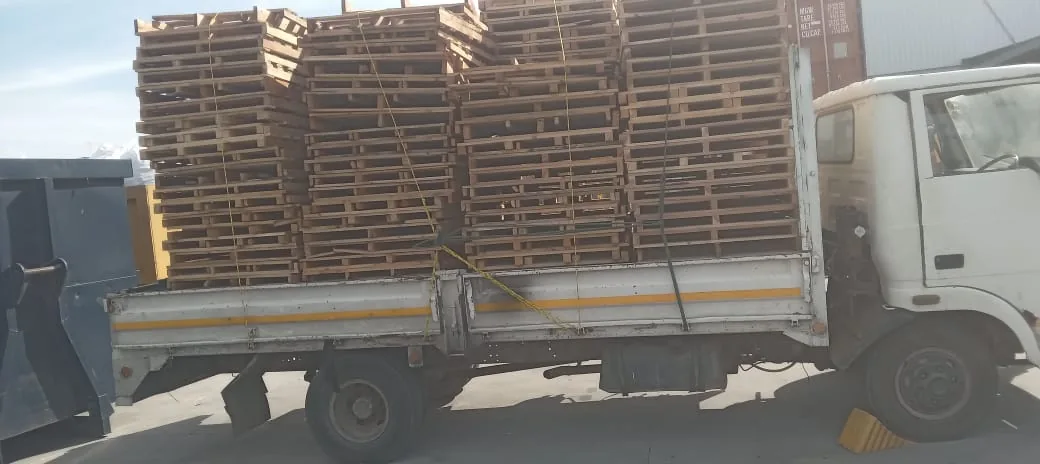
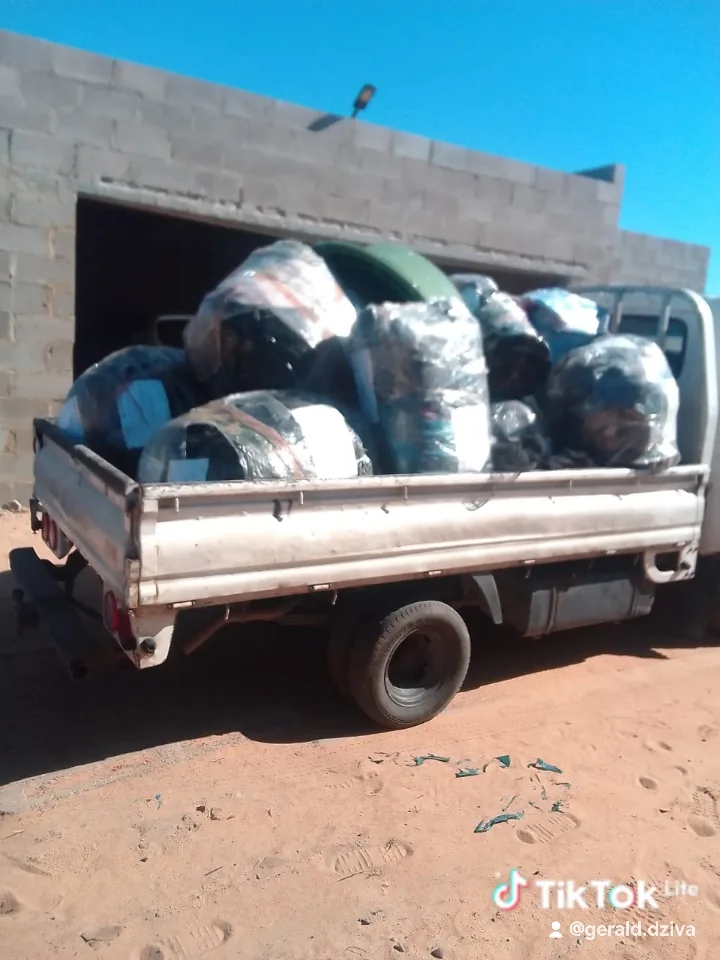
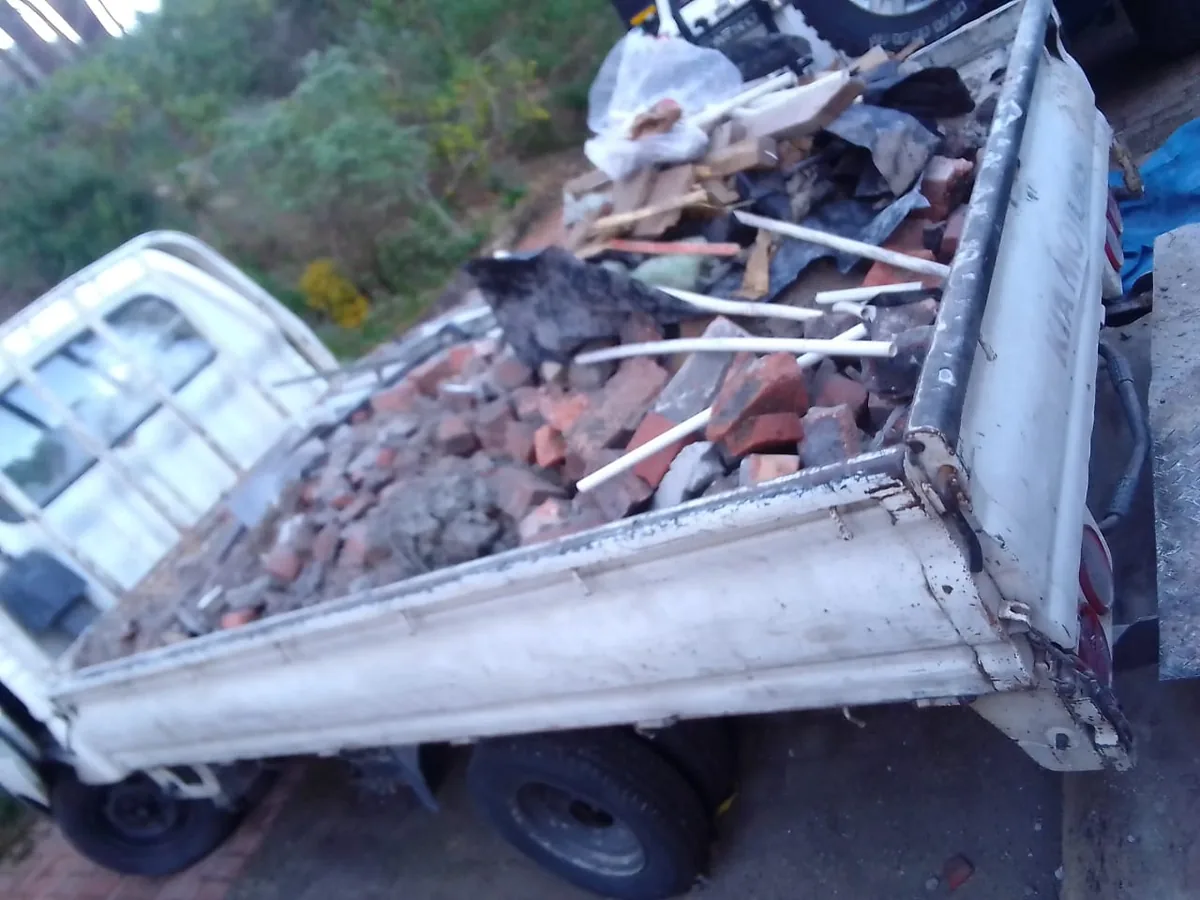
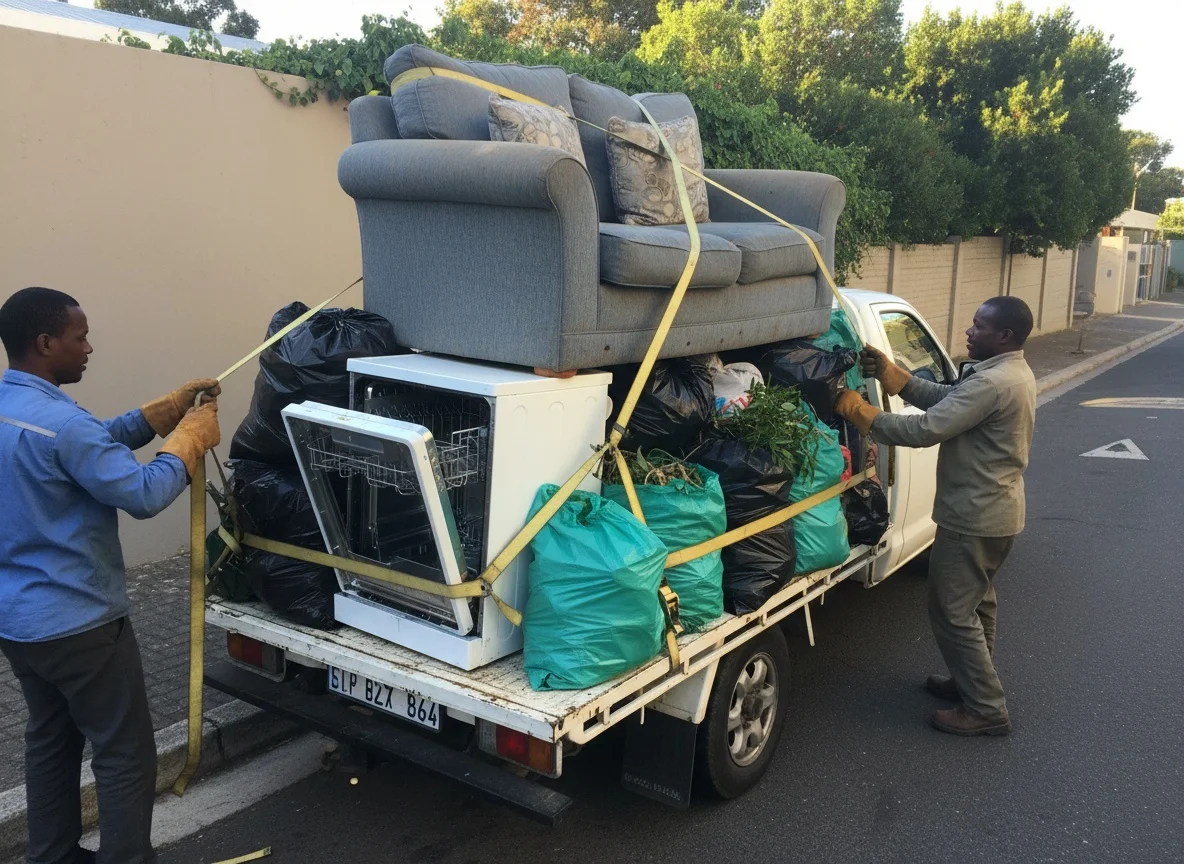
This is where most estimates go wrong. People picture a vehicle's load bin and assume that if it fits, it travels. With light waste — garden cuttings, cardboard, foam packaging — that's true. With rubble it isn't, because concrete and brick are dense. The bin fills with weight long before it fills with space. Here's what each common Vaal vehicle realistically carries in rubble:
| Vehicle | Rubble it safely carries | Rough equivalent |
|---|---|---|
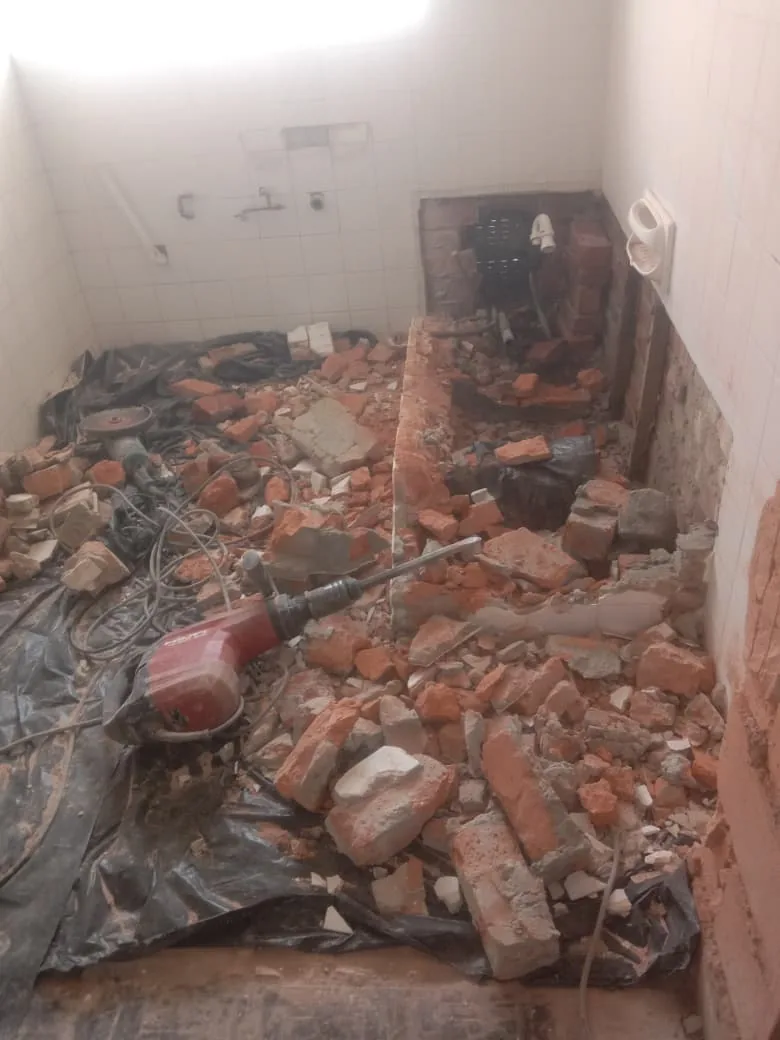
| Half-ton bakkie | ≈ 0.5m³ | A small bathroom strip-out |
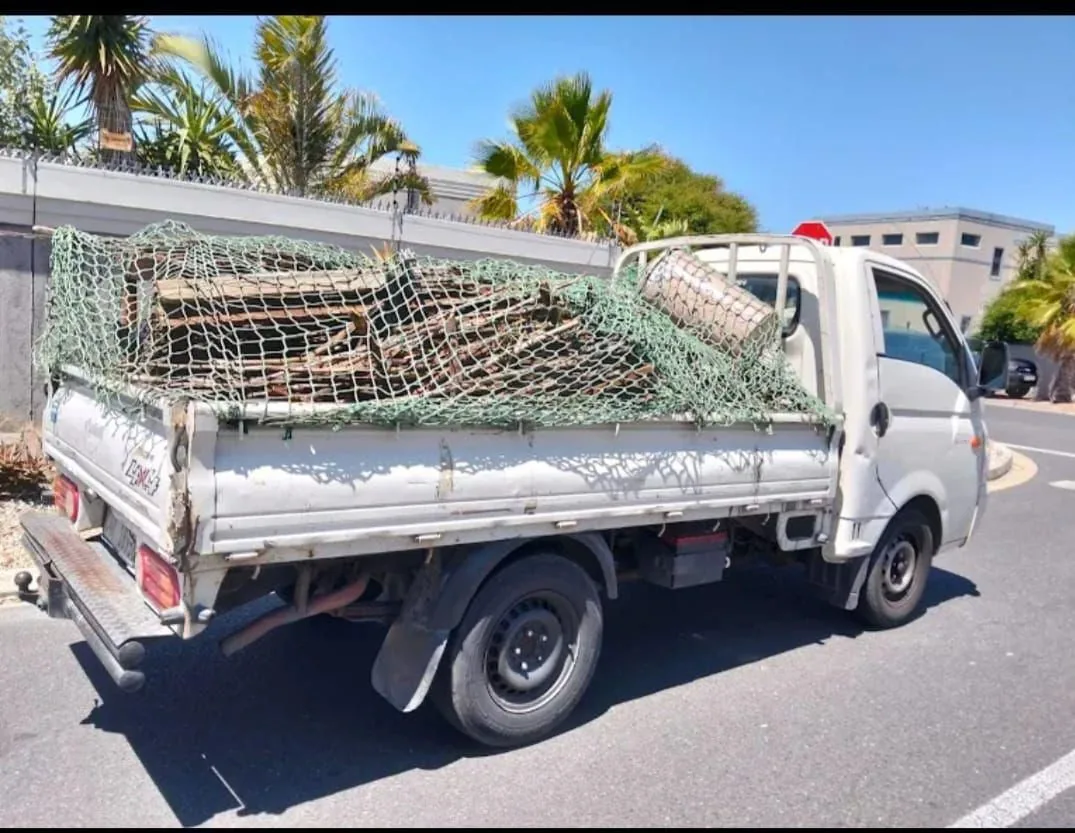
| 1-ton bakkie (single cab) | ≈ 1m³ | One demolished garden wall |
| 3-cube tipper | ≈ 3m³ | A small patio + paving lift |
| 5-cube tipper truck | ≈ 5m³ | A full room of demolition rubble |
| 8-cube truck | ≈ 8m³ | A double garage knock-down |
A standard 1-ton single-cab bakkie load bin in South Africa measures roughly 2.3m long by 1.6m wide by 0.5m deep — about 1.8m³ of physical space. But fill that with concrete and you'd be carting close to three tonnes, which is double what the bakkie is rated to carry safely and legally. That's why we say a bakkie "holds" a cubic metre of rubble even though the bin could physically take more. The number that limits you is weight, not space. For the full breakdown of which materials we take and how we load them, see what we collect.
With rubble, the bin fills with weight long before it fills with space. Half a level bakkie of solid concrete is already a full, legal load.
Why does rubble weigh so much more than it looks?
Density is the whole story. Builders rubble is mineral material — concrete, brick, mortar, tile — and it's heavy. A cubic metre of mixed concrete and brick rubble weighs roughly 1.5 to 2 tonnes. Compare that to a cubic metre of loose garden refuse at maybe 100–200kg, or a cubic metre of household junk and packaging at perhaps 150–300kg. Same volume, ten to fifteen times the weight.
Concrete & brick
1.5–2 t
per cubic metre
Household junk
150–300 kg
per cubic metre
Garden refuse
100–200 kg
per cubic metre
Why it matters for your quote
A "small" pile of broken slab by the gate can still need a proper truck — it's not the volume, it's the tonnage.
Don't overload a hired bakkie
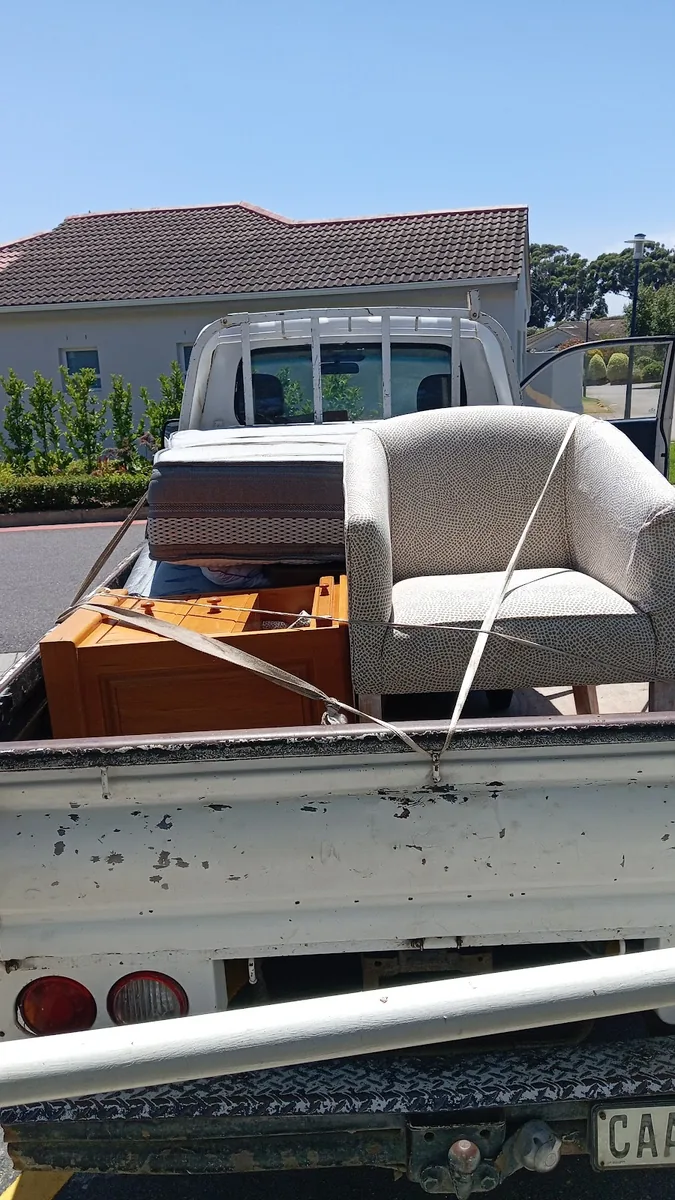
An over-laden vehicle is unsafe, illegal at a weighbridge, and turned away at most Vaal tip gates. Hauling it yourself? Do more light trips, not one heavy one.
How many loads will my job actually take?
Once you've got your pile measured in cubic metres, the number of loads is simple division — but round up, because rubble never packs as neatly as you hope and the last bit always spills over into one more trip. A few common Vaal jobs, sized:
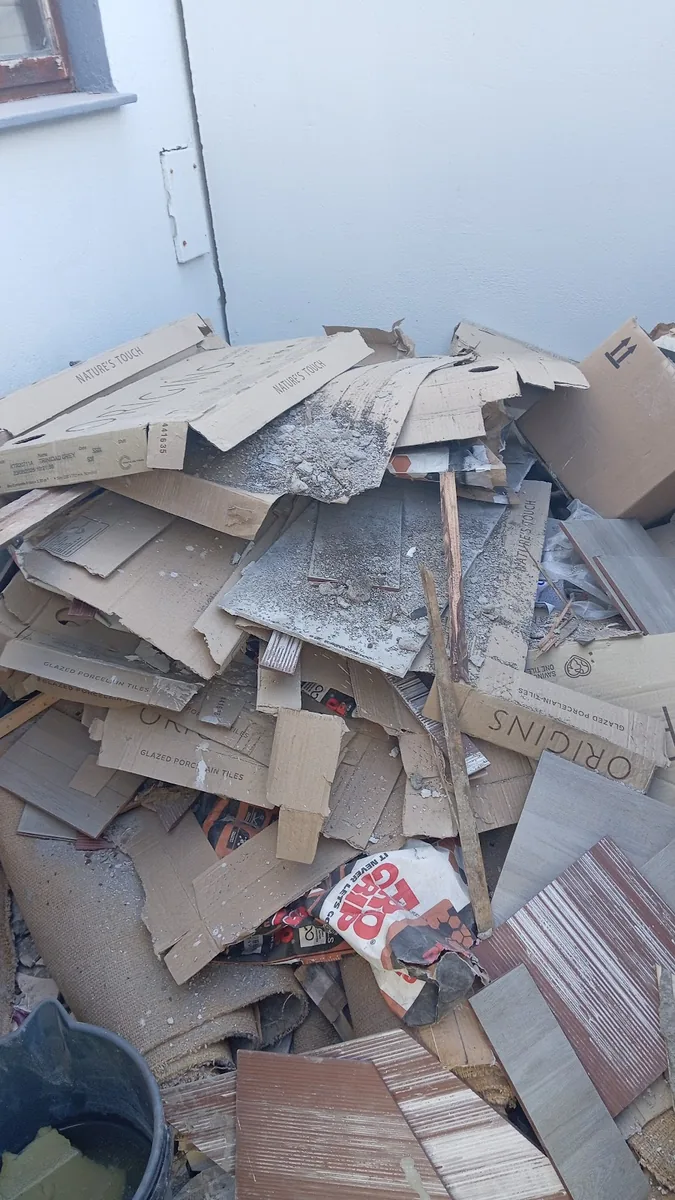
- Bathroom or kitchen strip-out — old tiles, a bit of screed, a basin: usually 0.5–1m³. One bakkie or half a small tipper.
- Garden wall or boundary wall demolition — 2–4m³ depending on length and height. One tipper load, sometimes two.
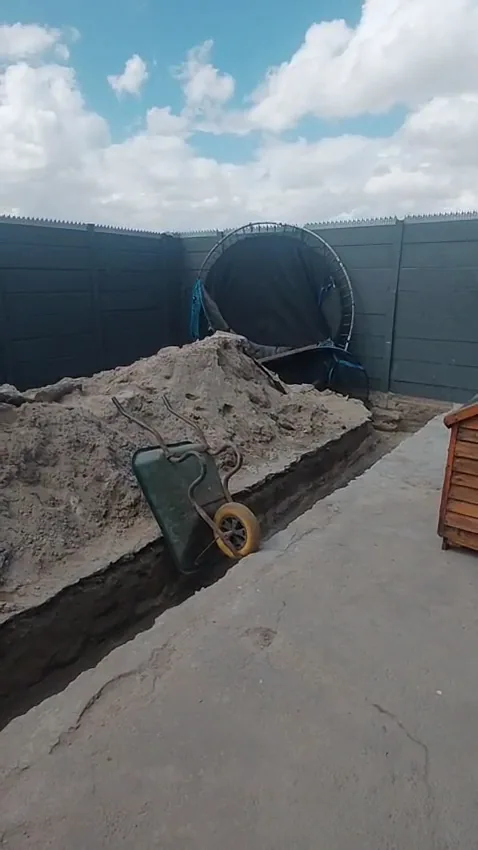
- Patio or driveway lift — old paving and bedding sand: 3–6m³. One to two tipper loads.
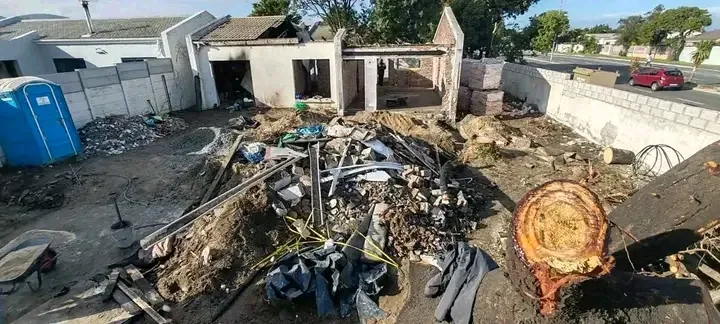
- Full room demolition or small outbuilding — 5–10m³. Two truck loads is typical.
These are starting points, not quotes — every job's different and the only way to price it properly is to see it. But they stop you under-ordering. The most common mistake we see in Vanderbijlpark is someone booking a single bakkie for a wall demolition, then being short a vehicle on the day with half the rubble still on the verge.
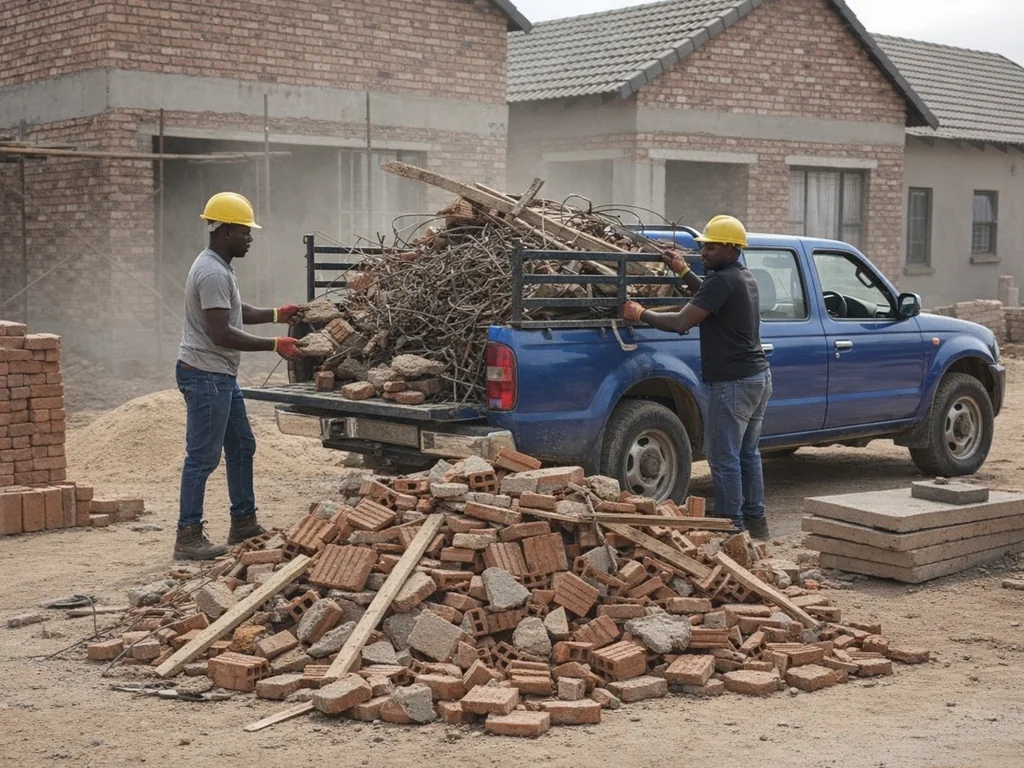
Should I size the job myself or just send a photo?
Both have a place. Measuring it yourself is useful when you're comparing your own DIY hire costs, or sanity-checking a quote you've been given. But you don't have to — and a photo is usually more accurate than a homeowner's measurement, because we size piles for a living and you don't.
Measure it yourself when
You're weighing up a self-hire bakkie versus a crew, or you want to check a quote looks fair before you book. The cubic-metre number is your reference point.
Send a photo when
You just want it gone. Three photos from different angles, with a person or a bin in shot for scale, and we'll size it and quote a flat price — usually within half an hour.
If you go the photo route, stand a wheelie bin or a person next to the pile in at least one shot. Scale references turn a guess into an accurate estimate, and they mean the quote you get is the price you pay. You can send three photos for a quote straight from your phone.
Frequently asked questions
How many cubic metres does a bakkie hold?
A 1-ton bakkie safely carries about 1m³ of rubble. The load bin is physically bigger, but rubble's weight maxes the bakkie out before the bin looks full.
How much does a truck load of rubble hold?
A standard 5-cube tipper truck carries about 5m³ of rubble. Larger 8-cube trucks take roughly 8m³ — enough for a small outbuilding demolition in one go.
How do I work out cubic metres?
Multiply length × width × height in metres. A pile 2m long, 1.5m wide and 1m high is 3m³. For loose cone-shaped heaps, expect roughly a third of that.
Why is my small pile a full truck load?
Because rubble is dense. A cubic metre of concrete weighs up to 2 tonnes, so a compact heap can be all weight and no spare capacity.
Can I overload a bakkie with rubble?
No. An over-laden bakkie is unsafe, illegal at a weighbridge, and turned away at most Vaal tip gates. Do several light trips instead of one heavy one.
Do I need to measure before getting a quote?
No. Three photos with something for scale are enough for us to size the load. Measuring only helps if you're comparing self-hire costs yourself.
The bottom line on sizing your rubble
Quick reference
- Bakkie ≈ 1m³ of rubble. Tipper truck ≈ 5m³. Round up when in doubt.
- Volume = length × width × height, measured in metres.
- Anything bigger than a garden wall is usually a truck job — often more than one load.
It comes down to two numbers: the volume in cubic metres, and the weight that volume carries. With dense rubble it's the weight that fills the vehicle, not the space.
If you'd rather skip the tape measure, that's what we're here for. Send a few photos through the quote form and we'll tell you how many loads it is and what it costs — flat price, no surprises on the day, whether you're in central Vanderbijlpark or out toward the rest of the Vaal. And if part of the job is dropping a load yourself, our Vaal dump-site directory lists every facility and what each one accepts.
Keep reading
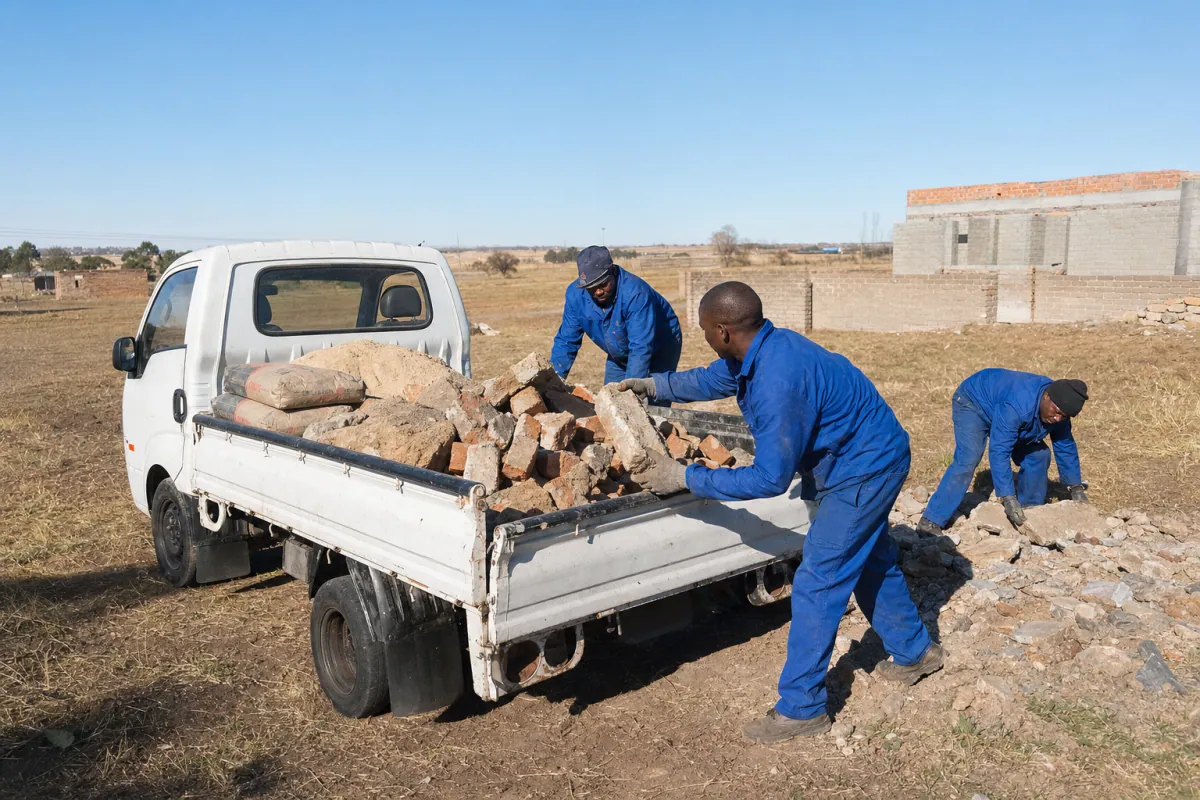
Construction & Building Rubble Removal Vanderbijlpark
A contractor's guide to building rubble removal across Vanderbijlpark and the Vaal Triangle — sorting clean from contaminated, Emfuleni's disposal reality, skip vs tipper, and clearing a live site.
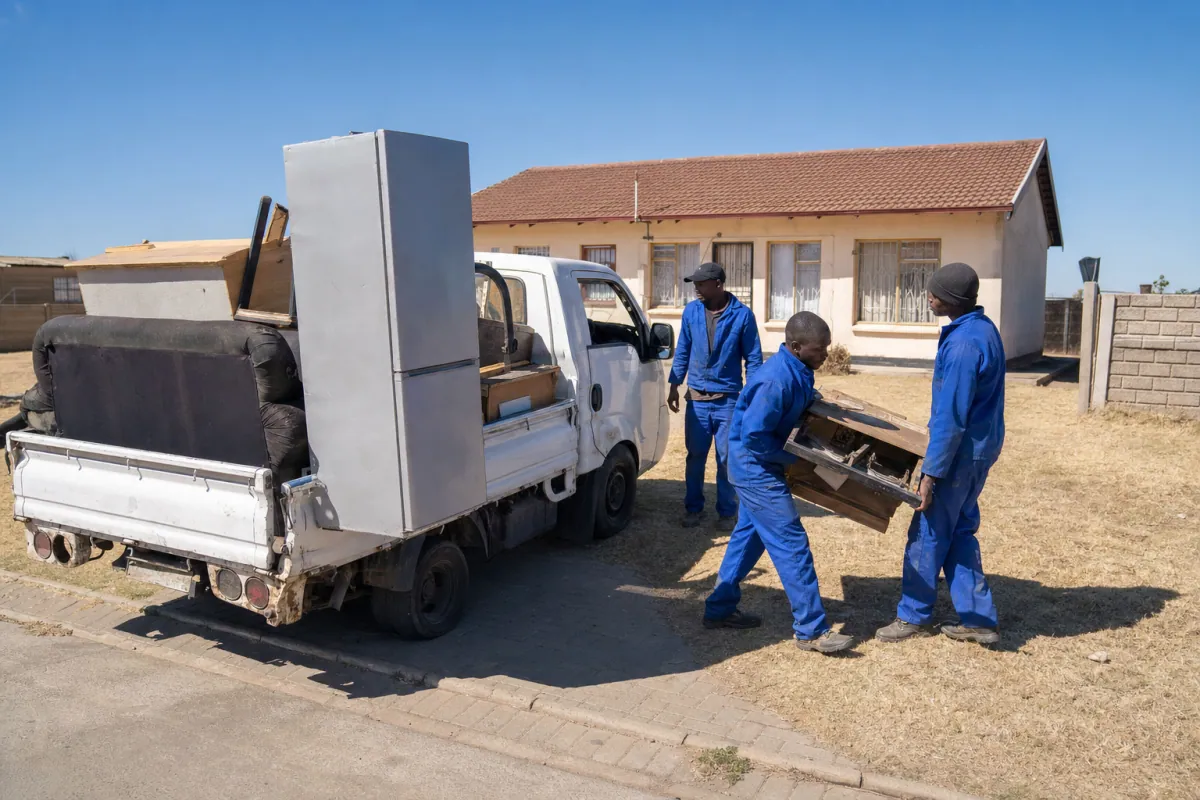
Junk Removal Vanderbijlpark: A 2026 Buyer's Guide
Real 2026 Vaal junk removal prices per load size, the items a crew legally can't touch, where Emfuleni's landfills actually send your waste, and the four questions to ask before you book.
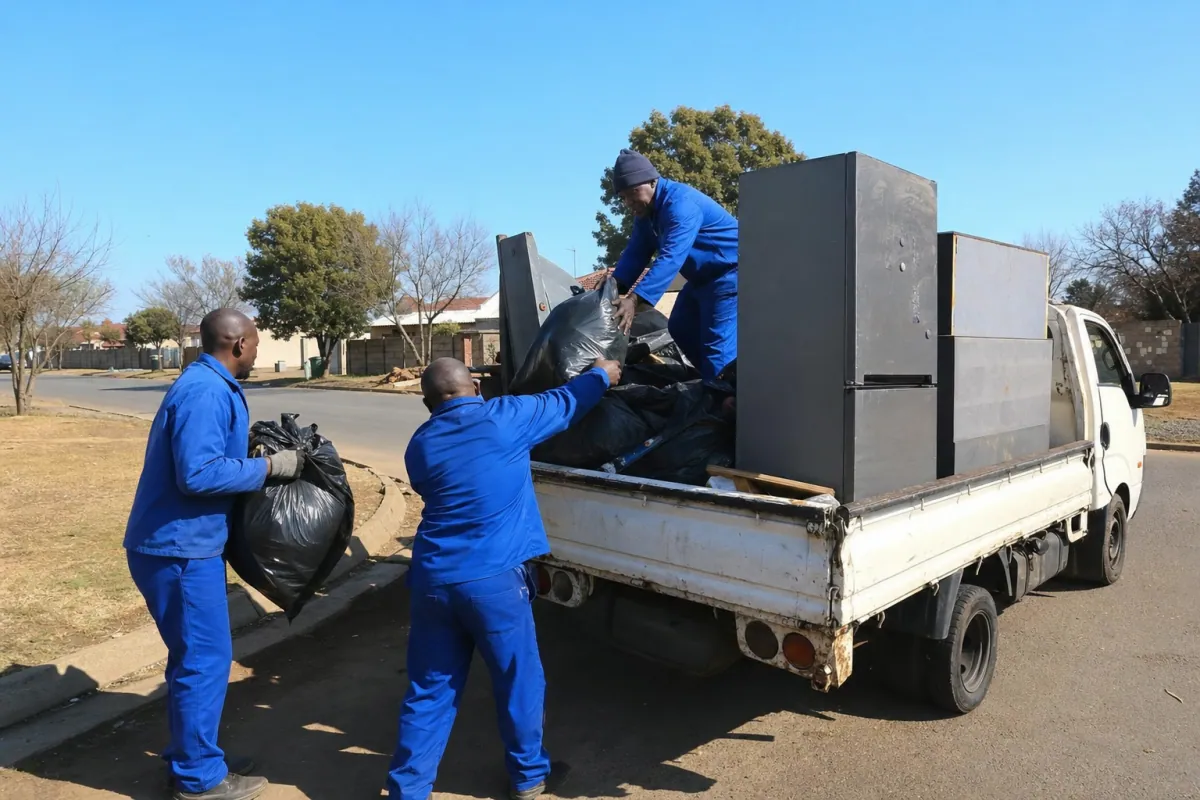
Residential Rubbish Removal Vanderbijlpark: A Homeowner's Guide
When the wheelie bin can't cope: real Vaal prices, the Emfuleni rules every homeowner should know, the household items that legally can't go to landfill, and how a clearance crew sorts the streams so you don't get fined.